




Introduction
Losing weight with diabetes can feel overwhelming, especially when lifestyle changes alone don’t bring the expected results. In recent years, both bariatric surgery and weight-loss medications have emerged as effective solutions. But which one provides long-term success, especially for people with type 2 diabetes? Let’s explore what the latest research reveals.
Understanding Bariatric Surgery
Bariatric surgery has evolved into a reliable and well-researched option for those living with obesity and related health problems like type 2 diabetes, high blood pressure, and sleep disorders. It’s not simply about reducing body weight—it also improves how the body manages insulin and processes food.
Modern techniques such as minimally invasive laparoscopic and robotic surgeries make recovery faster and safer than older surgical methods. Most patients are discharged within a few days and can return to light activity within a week. These procedures offer long-term benefits beyond the operating room, with studies showing significant and lasting improvement in diabetes management and overall health.
Scientific Support for Surgery
Two major studies stand out—STAMPEDE and ARMMS-T2D. In these clinical trials, people with type 2 diabetes who underwent procedures like gastric bypass or sleeve gastrectomy showed better blood sugar control and weight loss than those treated only with medication and diet.
In the ARMMS-T2D study, over half of those who had surgery reached healthy blood sugar levels (HbA1c below 7%) and kept off about 20% of their weight even after 7 to 12 years. Importantly, individuals with a BMI between 27 and 34—who are usually not recommended for surgery—also saw significant improvements. These findings reinforce the effectiveness of surgery across a wide range of patients.
How Surgery Supports Metabolic Health
Bariatric procedures do more than shrink the stomach. They change hormone patterns related to hunger and insulin response. As a result, many patients experience reduced appetite, improved energy levels, and better blood sugar balance—sometimes within days of the procedure. This is due to changes in gut signaling, not willpower.
People often need less medication and insulin, and they find it easier to stick to healthy routines, which further supports long-term results.
The Role and Limits of Weight-Loss Drugs
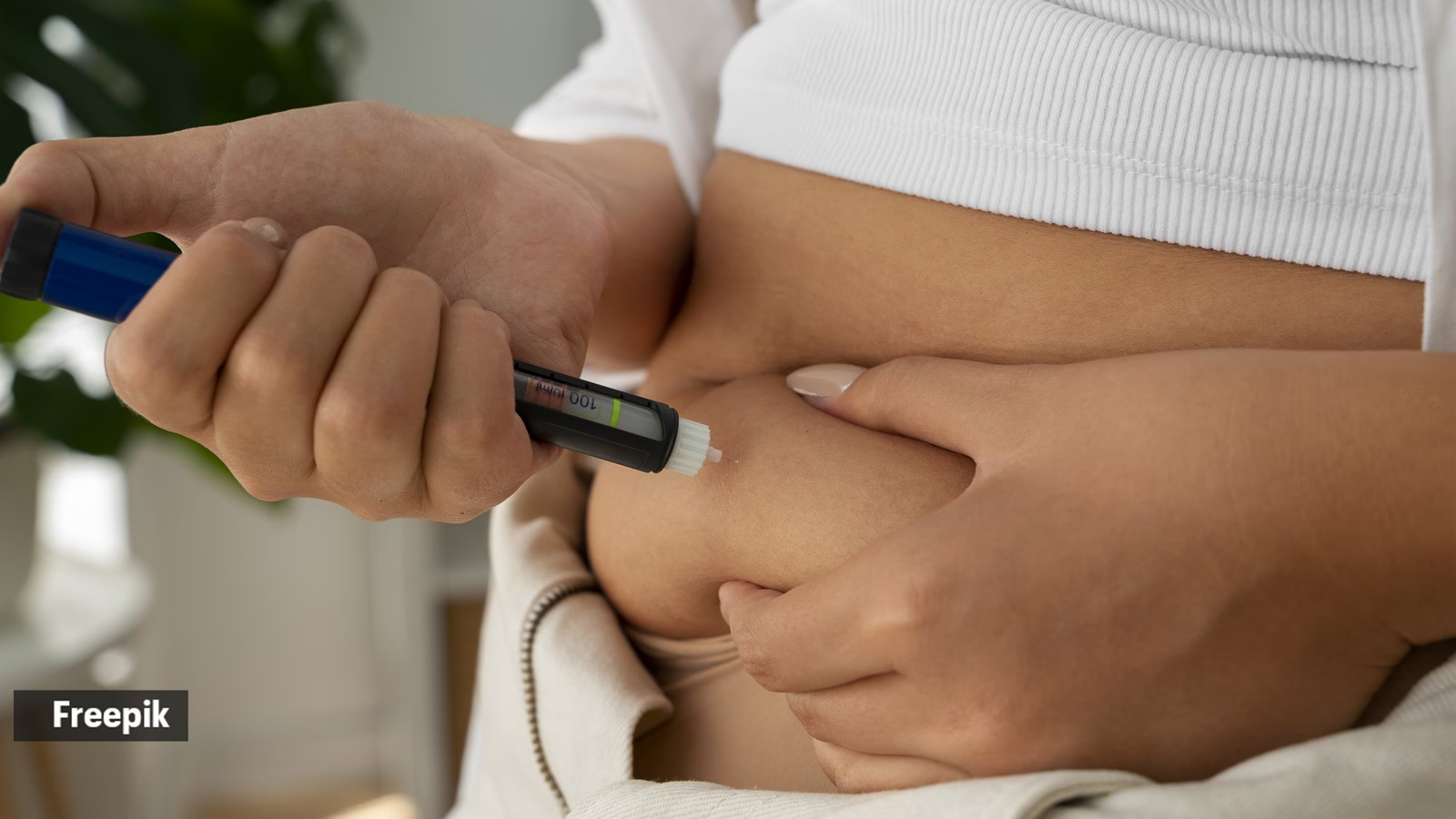
Medications such as semaglutide and tirzepatide mimic hormones that help reduce hunger and support weight loss. While they can be effective in the short term—especially when paired with diet changes—the results often depend on ongoing use. Once the medication is stopped, many people regain weight.
Some users experience side effects such as nausea or fatigue, and long-term costs can be high. For many, medications are a helpful tool but may not match the consistent benefits of surgery.
Lifestyle Still Matters
Even after surgery, lasting success depends on consistent habits—balanced meals, regular activity, proper hydration, and follow-up care. Surgery is a strong starting point, but daily choices play a big part in keeping the results going.
More Than Just Weight Loss
Bariatric surgery improves more than appearance. It helps reduce joint pain, manage conditions like PCOS, lower blood pressure, and even decrease the risk of certain cancers. Many people sleep better, breathe easier, and enjoy everyday activities again—things that were once difficult.
Changing the Narrative
Surgery is not an “easy way out.” It’s a serious decision that requires commitment and regular follow-up. It provides a strong foundation for those who have struggled with traditional weight-loss approaches and need a lasting medical solution.
What the Data Shows
Years of research across diverse groups and long timelines confirm that bariatric surgery delivers powerful and lasting improvements in weight, blood sugar control, and overall health. It is a safe and effective path for many people living with diabetes and obesity.
Conclusion
Always consult with your doctor or a healthcare professional before making any major changes to your diet, lifestyle, or medical routine. They can offer personalized advice based on your current health condition and medical history.
Note – If you have any health-related concerns, please call us at +91-9058577992 to receive free consultation from our experienced doctors. Thank you.